
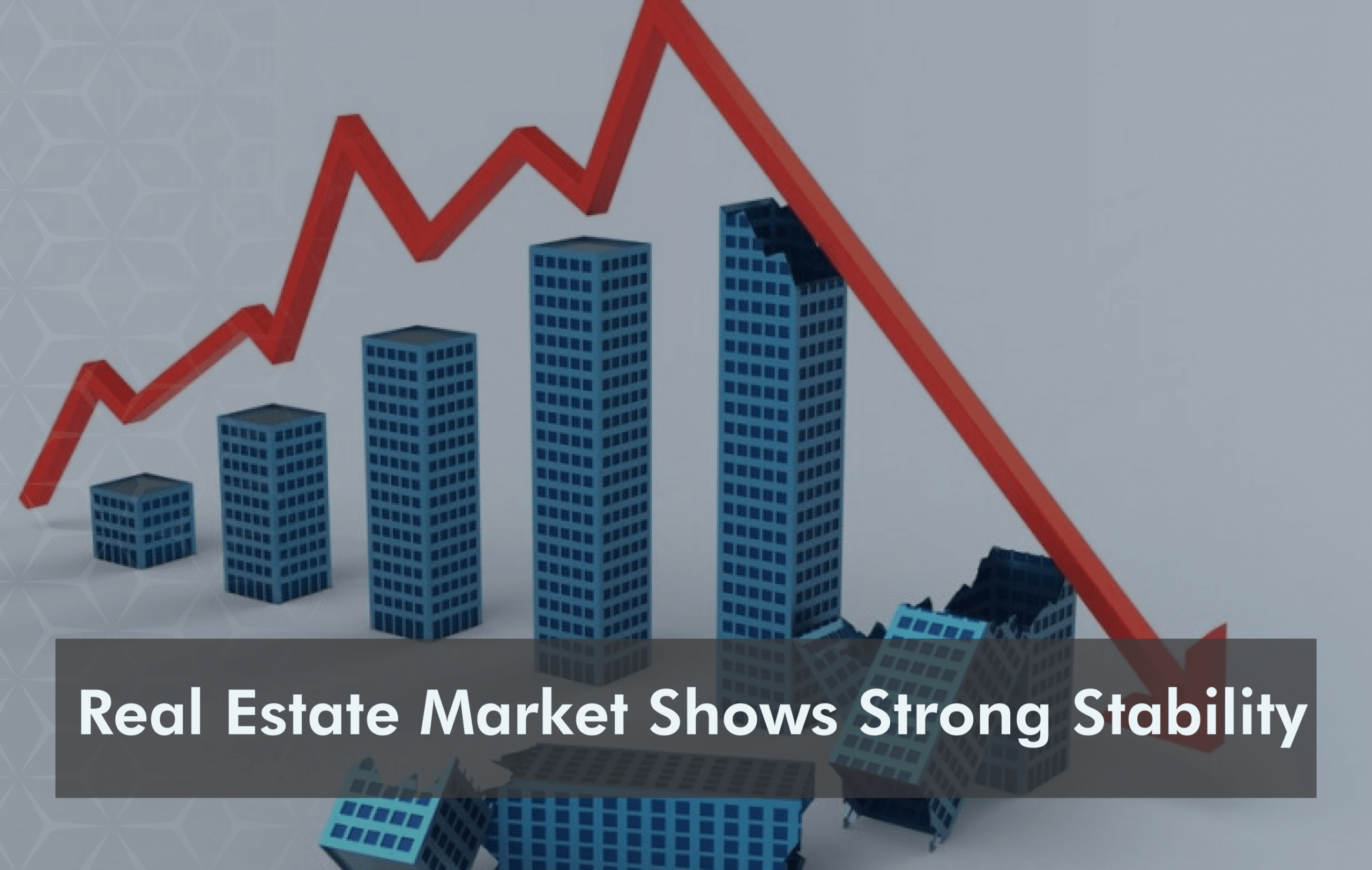
Despite concerns about when real estate market crash cycles occur, experts forecast a stable market with improving affordability. Learn why analysts see a healthy rebalancing, not a downturn, including the outlook for when real estate market crash in Dubai.
As the market evolves, many buyers ask when a real estate market crash might happen. However, experts do not expect a crash in 2026.They predict stability and steady recovery. Affordability is likely to improve.Inventory levels should become healthier.The market points to balance, not a downturn.
A Shift Toward Market Balance and Affordability
Data is countering the narrative around fears of a real estate market crash.Experts highlight a welcome increase in available housing inventory across many regions, easing the intense competition of recent years. Supply is increasing.The market is becoming more balanced.Buyers now have more choices.They face less pressure.Bidding wars are easing.
Housing affordability will improve. Mortgage rates are easing. Wages are growing faster.Home prices are rising modestly.The real cost of buying a home will drop.More buyers will qualify.
Key Factors Supporting Market Stability
Several fundamental factors suggest resilience. Lending standards remain robust, preventing the kind of speculative excess that has precipitated downturns in the past. Furthermore, a persistent structural deficit in housing supply in many areas continues to provide underlying support for home values.
Demographic trends, including active participation from first-time buyers and wealth-laden baby boomers, sustain steady demand. This combination of solid fundamentals—demand supported by demographics and constrained supply—points toward a market experiencing a healthy correction and rebalancing rather than facing a crash.
Global and Local Perspectives: The Case of Dubai
When considering specific markets like when real estate market crash in Dubai, the outlook is similarly nuanced. Dubai’s real estate sector has demonstrated strong regulatory reforms and transparency improvements since previous cycles. Current growth is largely driven by tangible economic factors, long-term residency reforms attracting global investors, and a diversified buyer base, which collectively contribute to a more sustainable growth trajectory.
While all markets experience cycles, the conditions that typically precipitate a sharp crash—such as rampant speculation, loose lending, and an oversupply bubble—are not broadly evident in major global hubs under current analysis. Markets are instead navigating a transition to sustainable, long-term growth.
Frequently Asked Questions
When will the real estate market crash?
Leading economists do not forecast a broad market crash for 2026. Instead, they anticipate a period of stabilization with modest price growth, improved inventory, and better affordability, marking a return to a more balanced market.
Is a real estate market crash in Dubai imminent?
Analysis of when real estate market crash in Dubai suggests a low probability of an imminent crash. The market is supported by strong regulatory frameworks, economic diversification, and sustained demand from international investors, pointing toward continued stability.
What positive signs are in the housing market now?
Positive signs include rising inventory levels, easing mortgage rates, wage growth outpacing home price inflation, and a return to more normal sales processes without the frenzy of multiple offers, all contributing to improved buyer accessibility.
Should I wait to buy a home fearing a crash?
With experts forecasting stability and improving conditions, waiting for a crash may not be the optimal strategy. The current shift toward balance and affordability may present a favorable environment for buyers to enter the market with less competition.
What defines a healthy real estate market versus a bubble?
A healthy market is characterized by steady demand supported by employment and demographics, responsible lending, manageable price growth in line with incomes, and balanced inventory. A bubble typically involves rapid, speculative price surges detached from fundamentals, which is not the prevailing condition.
 using WordPress and
No responses yet